
Related Topics
I have had the privilege to work closely with people living with blindness and low vision for decades and recognize how far we have come on the road to full accessibility… and how far we have yet to go.
Accessibility is a fundamental right and value of an inclusive and equitable society. Accessibility for people with vision loss provides vital access to a broad range of places, information, and activities. It is essential to living confidently and independently.
What is accessibility for people with vision loss?
When societies work to make sure people with vision loss have accessible options for moving through their day, they help to create a more equitable world for all. Some of the benefits for people with vision loss include:
Equal access to information
Accessible formats, and access technology, including screen readers, audio descriptions, large print, and braille, enable people with vision loss equal access to printed materials, websites, and other content. Accessibility enables people living with blindness or low vision to participate in a broad range of personal and professional activities on and offline. Fully accessible environments allow all people to communicate easily and equally with each other.
Individual training
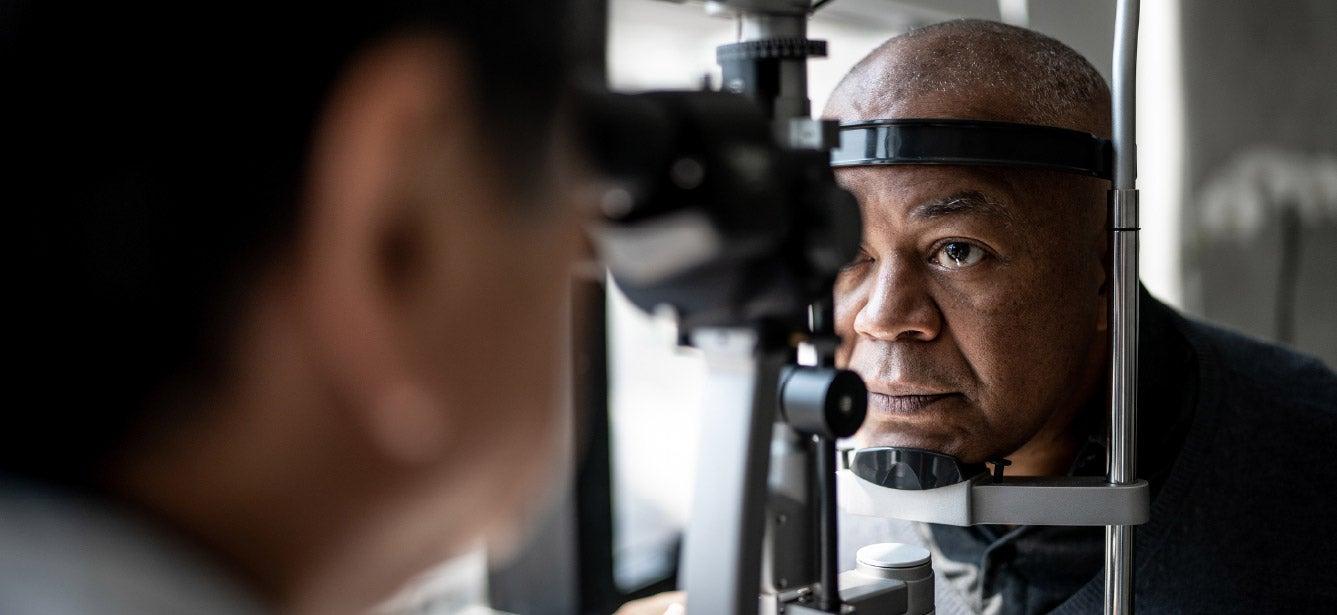
Four years ago, Brian lost his sight due to glaucoma. Though the initial impact of losing his vision was heartbreaking, his declining eyesight caused him to reflect on his entire well-being, physically and mentally, and seek help.
Brian contacted the Association for the Blind and Visually Impaired SC (ABVI) and was connected with one of their certified instructors who knew his local community well. After discussing his goals for independence, Brian and his ABVI instructor worked together during personalized training sessions. In addition to learning how to use his cellphone with greater independence through voiceover lessons, he gained the skills to travel with a white cane safely and independently. After several lessons, he could navigate his new apartment complex and the busy streets of his vibrant downtown with confidence.
Today, Brian practices jiujitsu weekly and recently started a media company with his podcast.
Vision rehabilitation therapists, occupational therapists and assistive technology specialists expose people with vision loss to techniques and devices that make it possible for them to access all the information more easily in the environments within which they interact.
Vision rehabilitation agencies that employ these therapists and specialists assist those living with vision loss in developing their personal independent living goals. They then provide training on how to achieve those goals.
Inclusive communications
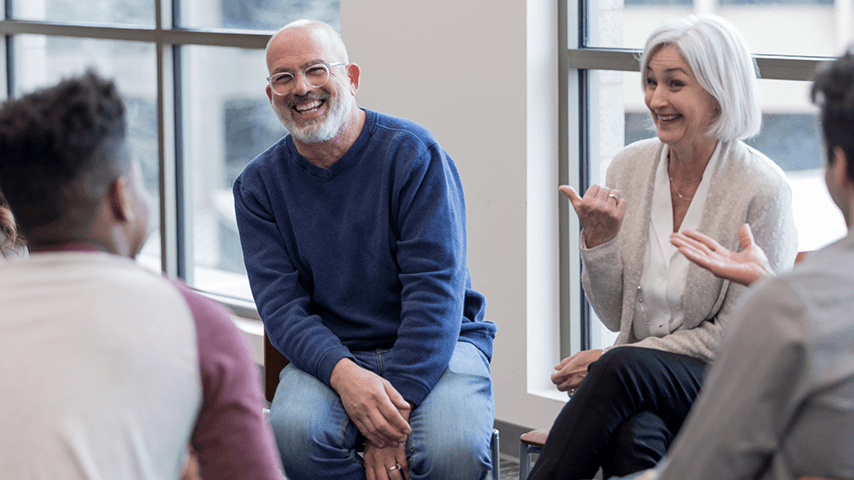
Organizations that embrace accessibility help people with and without vision loss to communicate and collaborate more freely. These organizations use accessible platforms, documents, and formats allowing people with vision loss equal access to interactions and promote more inclusive communication. For example, alternative text is used to describe all images to help people with vision loss understand what others are seeing, providing a richer context and basis for communication, and understanding.
Independence and autonomy
Accessibility features also enable people with vision loss to live more independently. Access Technology provides unlimited access to information. All types of accessible hardware and software are available to support activities of daily living. A person living with vision loss may benefit from the use of voice assistants, Smart Home devices, screen readers, mobile phone apps, GPS, and more.
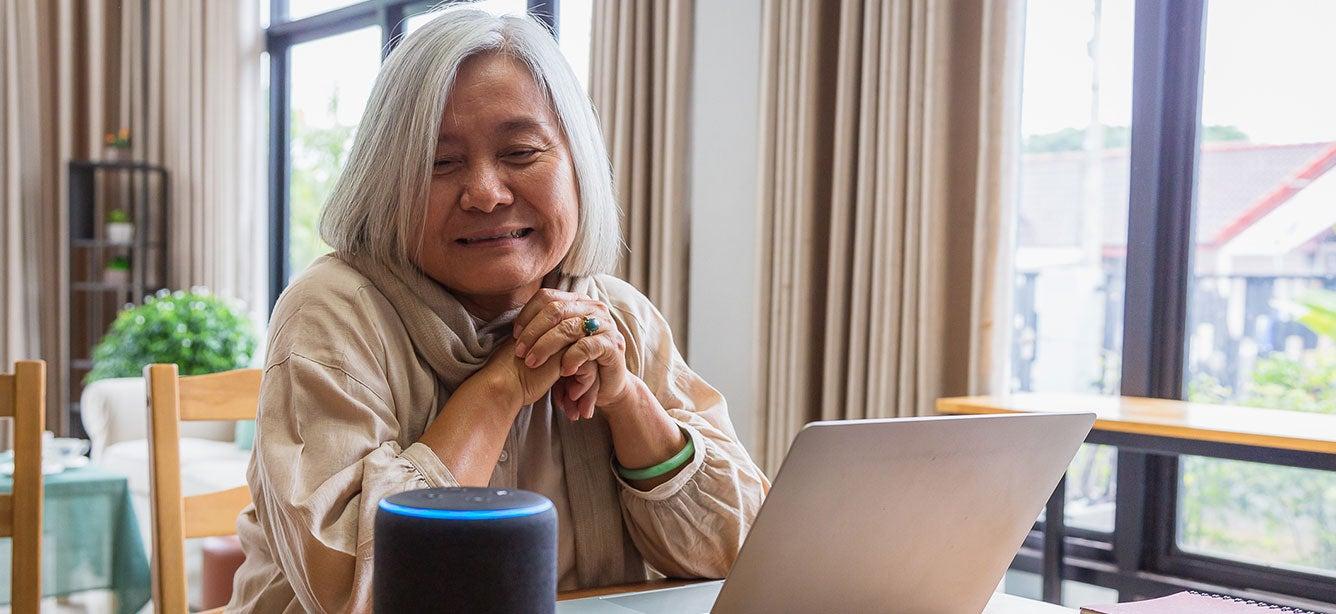
Voice-assisted devices provide tremendous support for people with vision loss. We can quickly obtain information through voice commands, set reminders and notifications, shop online, select recipes, listen to music, and more. Connecting voice assistants to Smart Home devices can assist in activities of daily living by adjusting and controlling lighting, thermostats, appliances, electronics, and more. Vision rehabilitation training also enhances independent living.
Access to public services and spaces
Accessible public infrastructure, transportation, and services are vital to help people with vision loss travel safely and independently.
As buildings, parks and other public spaces are being designed, greater focus is being placed on ensuring these spaces are as accessible as possible. Existing facilities are also being enhanced for improved accessibility. For people with vision loss this can include the use of lighting, contrast, colors, and textures to differentiate entryways, walls, doors, light switches, outlets, and furnishings.
Accessible transportation systems include tactile signage, audible pedestrian signals, and public buildings and spaces featuring braille signage. These features enhance mobility and equal participation in community-based activities.
Websites, forms, and other materials provided are also becoming increasingly accessible to people with blindness or low vision.
Equal employment opportunities
Accessibility is vital to helping people with blindness or low vision gain opportunities for employment and advancement. Specialized software ensures people can use office computers and other hardware to access training materials, and other work-related information regardless of their level of vision loss.
Specialized vocational rehabilitation training helps people with vision loss use a broad range of hardware and software to communicate with others, including clients and colleagues. Many vision rehabilitation agencies offer vocational rehabilitation training and assist with resume development, job search, interviewing, and on-the-job support. Learn more about Vocational Rehabilitation training.
An increasingly accessible world
These days, more companies are addressing accessibility when developing new products and technologies. Organizations, technology platforms, and websites are placing increased emphasis on accessibility. Laws and regulations are in place, such as the Americans with Disabilities Act (ADA), which mandates equal access to information for people with disabilities. Digital and web accessibility, including Web Content Accessibility Guidelines (WAG) provide a wide range of accessibility recommendations to organizations creating websites and digital information for people with blindness or vision loss. Learn more about the ADA and web accessibility.
Every day, I’m energized by the success stories of VisionServe Alliance members. These organizations provide local vision rehabilitation training for people of all ages, including independent living skills, orientation and mobility, access technology, vocational rehabilitation, assistive devices and aids, Braille, dog guides, early intervention programs, teen transition to work and college programs, support groups, and so much more.
I understand the incredible value of these programs and their ability to vastly improve lives, increase confidence, safety, and independence. It is important to emphasize that these programs allow older Americans with vision loss the opportunity to live in their own homes for an extended period of time.
Tragically, although all these vision rehabilitation services exist to support people with vision loss, it’s estimated that less than 5% of people who could benefit from these services are receiving them.
If you or someone you care for lives with vision loss, I implore you to locate local resources as early as possible to connect with these services and people who are facing and overcoming the same challenges.
I look forward to a future with full accessibility. It’s the responsibility of everyone to continue to enhance inclusivity and the quality of life for those with vision loss and other disabilities. Only then can all people participate equally and communicate with each other more freely and fully.
How to access vision rehabilitation services
If you or someone you know is living with vision impairment, vision rehabilitation organizations located across the country can help. Access a list of Vision Rehabilitation Agencies, and visit Time to Be Bold to find local Vision Rehabilitation services and other resources. You can also call the APH Connect Center weekdays at (800) 232-5463 to receive support and practical coping strategies for everyday tasks, join remote discussion and support groups, and access free online resources at  APH Connect Center, and VisionAware.
This project was supported, in part by grant number 90CSSG0048 and 90FPSG0051 from the U.S. Administration for Community Living, Department of Health and Human Services, Washington, D.C. 20201. Grantees undertaking projects under government sponsorship are encouraged to express freely their findings and conclusions. Points of view or opinions do not, therefore, necessarily represent official Administration for Community Living policy.
More Ways to Manage Your Health
Get information on prevention and how to manage ongoing health conditions focused on physical and mental health. From exercise tips to diet and nutrition, this is your one-stop shop for caring for yourself and loved ones.