
Cooking Is a SNAP: Fall-Inspired Recipes to Enjoy Now—and Later
7 min read
Related Topics
There’s something about autumn that can nudge even the most reluctant home chefs into the kitchen.
Maybe it’s the warmth of the stove on a crisp October evening. Perhaps it’s the scent of cinnamon and apples that reminds you of a favorite holiday. Or maybe you just want to turn the last of summer’s fresh produce into tasty food to enjoy throughout the fall and winter.
What meals can I cook in the fall?
No matter your personal motivations, there are many opportunities to revamp what and how you eat this fall. You can create:
- Hearty soups. From butternut squash to parsnips and potatoes, autumn offers the best ingredients for whipping up a bowl of something warm.
- Quick casseroles. Do you have a baking sheet? Add your favorite protein, veggies, a few spices and voila—dinner is done in a jiffy, with only one pan to clean.
- Savory sauces. Simmer some fresh or canned tomatoes on the stove and ladle it over some turkey meatballs, cooked pasta, or vegetarian chili.
- And more. Keeping your tastebuds happy can be as simple as swapping out your regular standbys with something new. visit MyPlate.gov to see what a healthy meal looks like, and use the U.S. Department of Agriculture’s (USDA) seasonal produce guide for ideas.
With some advance planning, many of these options can yield extra servings that store well in the freezer for quick, healthy, already paid-for meals later on, too.
“One of the best things about fall cooking is that it can help you eat well while also saving time and money in the kitchen,” said Ebony White, NCOA Director of Economic Security & Social Safety Net Initiatives. “Making extra food is especially helpful if you cook for one, but it can work for any household. Doubling or tripling a recipe means you’ll have ready-made meals on hand without relying on many store-bought options that are often high in sodium, unhealthy fats, and other less nutritious ingredients.”
What is the safest way to freeze leftovers?
While some foods simply don’t freeze well—lettuce, for instance, or boiled macaroni—many others do exceptionally well in the icebox and can last for months at a time. In fact, according to the USDA, you can safely store everything from cooked meats and poultry to raw, beaten eggs in the freezer if you know how to do it correctly.
Ready to try some new autumn recipes? Before you get started, learn how to preserve their flavor and integrity when you freeze them.
1. Focus on the right ingredients
In addition to salad greens and boiled pastas, avoid freezing any food with a high water content—such as summer melons, cucumbers, or eggplant. Similarly, stay away from creamy foods like yogurt and milk-based sauces, as they aren’t well suited for the freezer. While these things may not harm you, they may curdle or turn mushy once defrosted.
Baked pasta (like lasagna noodles) and cooked vegetables (like roasted eggplant) do keep well when frozen, though. That’s why it can be rewarding to make big batches of braises, casseroles, and soups this time of year.
2. Chill out
You may be tempted to immediately divide and freeze your pre-planned leftovers once they’re off the stove or out of the oven. But it’s a much better practice to bring them to room temperature before you do. Putting hot food directly into the freezer creates condensation, which can lead to freezer burn. Also, hot liquids—like soups—expand when they freeze, which can create an unpleasant mess if the containers you store them in burst.
Let everything cool off for a bit and you should be good to go. Just be sure not to leave any cooked foods out for too long. According to the USDA, perishable foods should go into the fridge or freezer within two hours (or one, if the ambient temperature is above 90 degrees Fahrenheit).
3. Plan your portions
What does a normal meal size look like for you? Is it a single square of lasagna with a slice of Italian bread? If so, divide your leftovers accordingly before placing them in the freezer. Planning right-sized portions from the start means you’ll waste less food (why defrost an entire casserole when you only need one piece?)—and reheating your meals will be quicker, too.
4. Choose your containers
No matter what or how much you’re saving, be sure to use freezer-safe packaging. Sturdy zip-top bags, plastic containers with airtight lids, cling wrap, and tin foil all work well. And, while technically you can use glass jars, you may want to avoid doing so. When exposed to rapid changes in temperature—such as running a frozen jar of soup under hot water—glass can shatter and cause a major safety hazard.
If you’re short on storage space, you can use freezer bags for things like chili and sauces. Leave space at the top, and the bags will flatten out once sealed; then you can stack them neatly.
5. Label, label, label
As long as you handle, prepare, and store them correctly, frozen leftovers won’t spoil. But they do have their own “best-by” date. According to the USDA, you can keep frozen food indefinitely as long as you continuously store it at or below zero degrees Fahrenheit. But quality will be highest if you use this food within a specific timeframe.
That’s why labeling your freezer containers with their contents and the date you prepared them is a good time investment.
And now: it’s time to get cooking!
Autumn-inspired recipes from USDA’s MyPlate
Ingredients needed: Sugar; vegetable oil; egg; flour; salt; cinnamon; baking soda; apples (diced, chunks); applesauce (unsweetened); apples (sliced, for garnish)
Ingredients needed: Jumbo pasta shells, ricotta cheese (part skim), pumpkin, grated parmesan cheese, spaghetti sauce, garlic powder, basil, sage, salt, black pepper
Ingredients needed: Lettuce, apples (sliced), walnuts (chopped), cranberries, green onions (sliced), vinaigrette dressing
Ingredients needed: Red potatoes, red apples, onion, chicken herb link sausages, cider vinegar, ground mustard, honey, canola oil
Ingredients needed: Olive oil; boneless, skinless chicken breast; onion; garlic; canned yellow corn; red apples, such as Braeburn, Empire, or Fuji; cumin; cayenne pepper; black beans; diced green chiles; chicken bouillon; sour cream; fresh, chopped cilantro
Ingredients needed: Onion (chopped), celery (chopped), brown rice (uncooked), low-sodium vegetable broth, raisins, dried apricots (chopped), walnuts, seasoning
Ingredients needed: Lettuce; medium apples, sliced; chopped walnuts; dried cranberries; green onions, sliced; vinaigrette dressing
Ingredients needed: Boneless beef chuck shoulder steak, onion (chopped), parsley, white vinegar, seasonings
Ingredients needed: Lentils (rinsed), onion (chopped), can of tomatoes (low-sodium), carrots (thinly sliced), cheddar cheese (shredded), seasonings
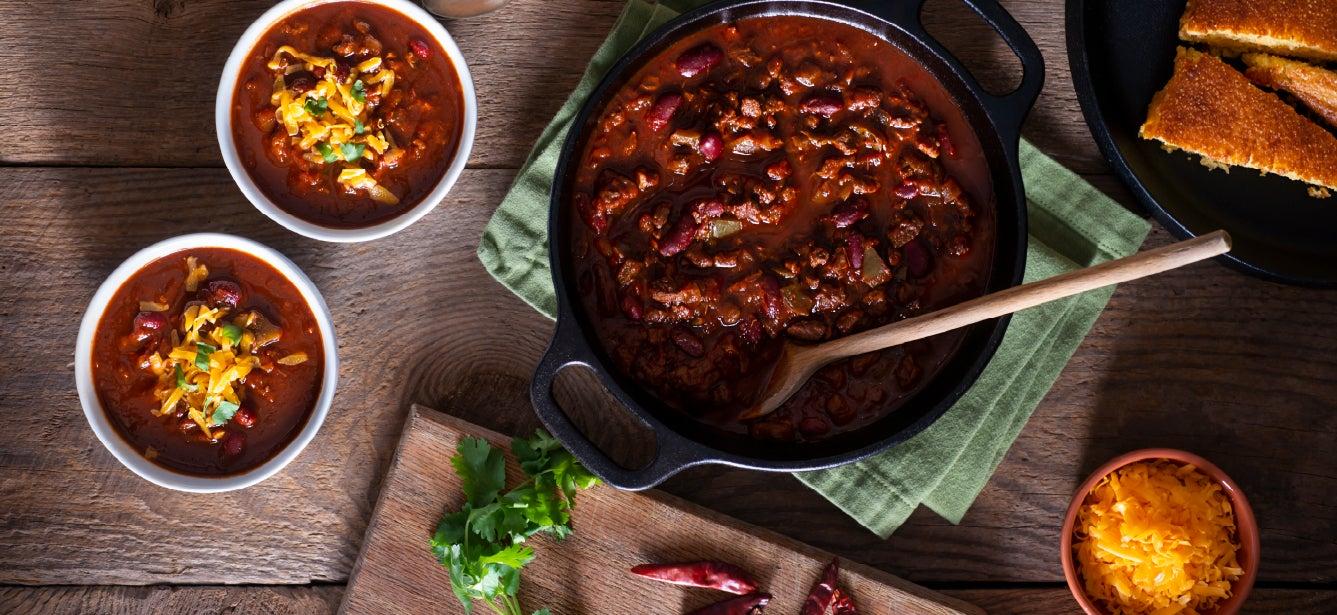
Ingredients needed: Ground beef; kidney beans (canned, drained, low-sodium); vegetarian beans (canned, drained, low-sodium); onion (diced); chili powder; tomato juice (low-sodium); pepper
Use your SNAP benefits for budget home meals this fall
Are you excited to try these recipes, but not sure you can afford the ingredients? Consider applying for the Supplemental Nutrition Assistance Program (SNAP).
Each year, this vital food assistance program helps millions of income-eligible older adults buy the groceries they need to maintain good health and well-being. And as many as five million more may qualify but don’t know it. Could you be one of them? Use NCOA’s BenefitsCheckup tool to find out.
Don’t assume you won’t qualify for SNAP. “State guidelines can change from year to year,” explained White, “so you’ll want check if you qualify. Even if you didn’t meet the guidelines last year, this year might be different.”
The average SNAP benefit for a one-person senior household is $188 per month, or $2,256 per year.1 Even if you only qualify for $24 in minimum monthly assistance, you may be surprised to learn what you can buy with your SNAP benefits.
Source
1. Center on Budget and Policy Priorities. A Quick Guide to SNAP Eligibility and Benefits. October 3, 2025. Found on the internet at https://www.cbpp.org/research/food-assistance/a-quick-guide-to-snap-eligibility-and-benefits
Need Help Paying for Food?
Millions of older adults are eligible for food assistance from SNAP but often don't apply. Use NCOA's tool to find out if you're eligible and get help paying for groceries.