

Related Topics
Did you know the definition of healthy eating evolves as we age? Over time, our metabolism may slow and our bodies may need more of certain nutrients like protein, calcium, vitamin D, vitamin B12, and fiber. Healthy eating for older adults means choosing nutrient-rich foods that support our changing needs while providing the right number of calories.
Eating well doesn’t have to be complicated or costly. These tips can help you choose nutritious foods that fit your budget and help you age with vitality and independence.
Healthy Eating for Older Adults: 6 Tips
|
✅ Build a balanced plate | Choose mostly whole foods, uncluding produce, protein, healthy fats, and whole grains. |
|---|---|
| ✅ Prioritize key nutrients | Look for protein, fiber, potassium, calcium, vitamin D, and vitamin B12. |
| ✅ Read food labels | Compare products and choose options lower in sodium, added sugar, and saturated fat. |
| ✅ Watch portion sizes | Choose nutrient-rich foods that provide plenty of nutrition without excess calories. |
| ✅ Stay hydrated | Drink water regularly throughout the day, even if you don't feel thirsty |
| ✅ Stretch your food budget | SNAP can help eligible older adults pay for healthy groceries. Nearly 8 million adults age 60 and older use the program. Learn more. |
What are the best foods to eat after age 65?
The six tips below can help guide you toward nourishing food choices as you get older:
1. Know what a healthy plate looks like
RealFood.gov is the official U.S. government website that hosts the Dietary Guidelines for Americans, 2025–2030. It features a new food pyramid that shows how the basic food groups should stack up on your plate. New federal guidance warns against highly processed foods and prioritizes whole foods, with a focus on fresh vegetables, fruits, high-quality proteins, healthy fats, and fiber-rich whole grains. These are the building blocks for a healthy, nourishing diet.
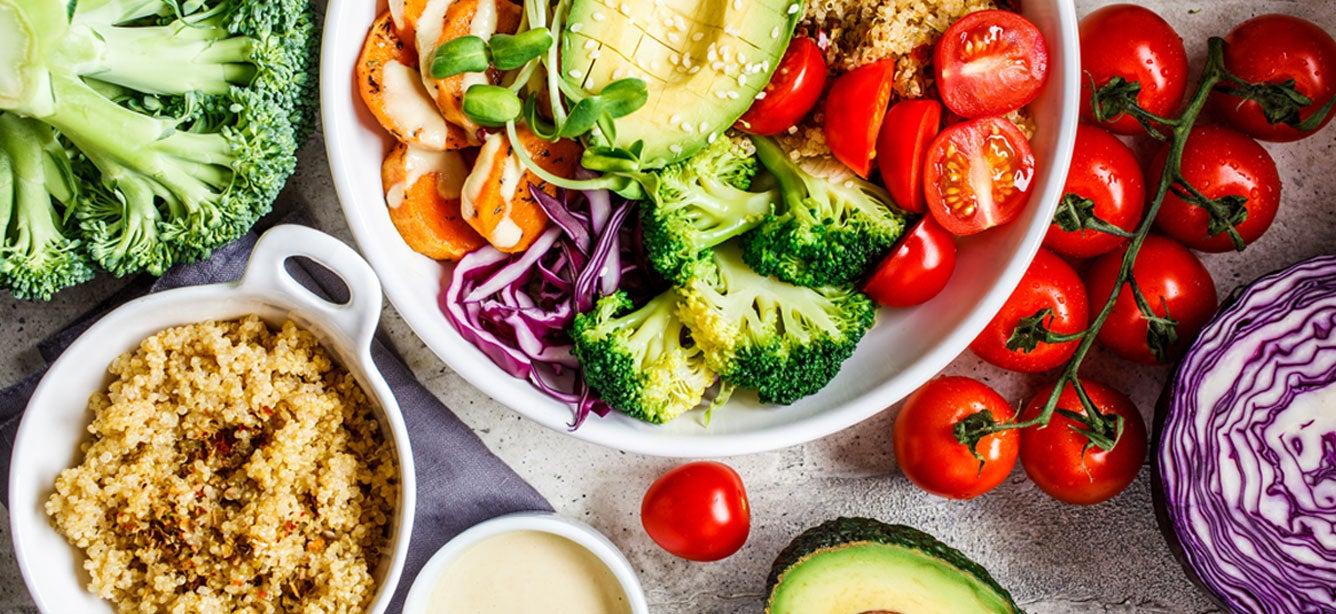
2. Look for important nutrients. Eating a variety of foods helps us get all the nutrients we need. Aim for your plate to look like a rainbow—brightly colored foods are often the best choice! A healthy meal includes:
- High-quality protein (meats; seafood; eggs; beans)
- Fruits and vegetables (think orange, red, green, and purple)
- Whole grains (brown rice, whole wheat pasta)
- Dairy (milk and its alternatives)
Choose foods that are high in fiber and low in sodium or salt. As you age, focus on important nutrients, such as potassium, calcium, vitamin D, and vitamin B12. Note that the 2025–2030 Dietary Guidelines include full-fat dairy products without added sugar among nutrient-rich food choices. These can fit into a healthy eating pattern, but it’s still important to keep saturated fat from all foods within recommended limits (no more than 10% of total daily calories). Eat red meat in moderation by focusing on fresh, lean cuts and balance it with other protein sources to limit your saturated fat intake.
3. Read the Nutrition Facts label
The healthiest foods are whole foods. These are typically found on the perimeter of the grocery store in the produce, meat, and dairy sections. When you do eat processed foods like chips and baked goods, be a smart shopper. Learn about and read the Nutrition Facts labels to find items that are low in saturated fat, added sugars, and sodium.
4. Use recommended servings
Eating the right amount of food for your age and body helps you maintain a healthy weight. The Dietary Guidelines for Americans, 2025–2030 offers guidance on calories, nutrition, and portion sizes, advising adults 65 and older to focus on foods that provide ample nutrition without excess calories. Good choices include vegetables, fruits, whole grains, beans, nuts, seeds, eggs, fish, lean meats, and dairy products.
If you have trouble getting enough nutrients from food, ask your health care provider if fortified foods or supplements could help.
5. Stay hydrated
Water is an important nutrient, too! To prevent dehydration, drink small amounts of fluids consistently throughout the day. Water is your best choice. Keep fluids with sugar and salt at a minimum, unless your doctor suggests otherwise.
6. Stretch your food budget
Want to get the biggest nutritional bang for your buck? If you're eligible, the Supplemental Nutrition Assistance Program (SNAP) can help you afford healthy food when you need it. Nearly 8 million low-income adults age 60+ rely on SNAP, and the average older adult receives $188 each month (or $2,256 each year).1
Visit NCOA's BenefitsCheckUp and enter your ZIP code to get personalized recommendations on food assistance programs you may qualify for in your area. You can even get help applying for benefits.
Another way to eat healthy: Try out a grocery or meal delivery service
Did you know app-based food delivery services like Uber Eats and DoorDash allow you to select groceries online and have them delivered right to your door? Even better, these platforms now accept SNAP EBT payments for eligible food items. In fact, EBT cardholders may be able to take advantage of special incentives (see service providers’ websites for details).
And have you heard meal kit delivery services like HelloFresh, Home Chef, and Blue Apron can drop off whole ingredients with unique recipes at your home?
If you haven't tried out these services yet, consider learning more. Keep in mind that while eligible food items are covered by SNAP benefits, grocery delivery service fees are not. Meal delivery kits generally are not covered by SNAP.
Share our 6 tips on eating well with this NCOA infographic
Spread the word about how to make smarter choices at the grocery store. Download this infographic as a PDF below.

Educational information provided with generous support from the Walmart Foundation.
Source
1. USDA. Characteristics of Supplemental Nutrition Assistance Program Households: Fiscal Year 2024. August 2026. Found on the internet at https://fna-bwbufwdzbabpezgc.z01.azurefd.us/sites/default/files/resource-files/snap-fy2024householdcharacteristics-report.pdf
Seniors & SNAP: 5 Myths Busted
Is the Supplemental Nutrition Assistance Program just for families? Are the benefits even worth applying for? Learn some common myths about SNAP—and get the real facts.