
Related Topics
Vitamin C (ascorbic acid) supports immune health, wound healing, iron absorption, and healthy skin and tissue. But how much vitamin C do older adults need? Most adults can meet their daily needs—75 milligrams for women and 90 milligrams for men—by eating a variety of fruits and vegetables.
Learn how aging may affect vitamin C needs, which foods provide the most, and when a supplement may be helpful.
| Why do we need vitamin C? | It supports immune function, wound healing, healthy cells, adn the absorption of iron from plant foods. |
|---|---|
| How much do older adults need each day? | Men need 90 mg; women need 75 mg. Some studies suggest older adults may have higher requirements (but less than 2,000 mg per day). |
| Which foods contain vitamin C? | Good sources include oranges, strawberries, kiwi, bell peppers, tomatoes, broccoli, and potatoes. Learn how programs like SNAP can help make these foods more affordable. |
| Do I need a supplement? | Many people can get enough from food. Ask your health care provider before taking a supplement, especially if you have a medical condition or take medication. |
| How much is too much? | The adult upper limit is 2,000 mg per day. High doses may cause diarrhea, nausea, or stomach cramps. |
What are the benefits of vitamin C for older adults?
Vitamin C is a powerful antioxidant that plays a key role in our health as we age. It helps neutralize free radicals that can damage healthy cells and increase the risk for many chronic diseases. Vitamin C helps us produce collagen, an essential component of healthy bones, skin, cartilage, and blood vessels.
Vitamin C also:
- Aids in wound healing
- Supports brain cell functions
- Strengthens the aging immune system
- Facilitates iron absorption
- Supports metabolic functions
Research has shown that vitamin C can potentially reduce the risk of age-related macular degeneration, cataracts, and cardiovascular disease. There is also limited data suggesting that vitamin C may aid in decreasing blood sugar in people with diabetes, treating allergy-related conditions, and reducing the effects of sun exposure.
Does vitamin C help prevent memory loss or dementia?
The potential link between vitamin C and Alzheimer's disease has intrigued scientists for decades. Oxidative stress is a mechanism responsible for the development and progression of Alzheimer's. Since antioxidants help protect the body from oxidative stress, studies suggest, antioxidants like vitamins C, E, and A could potentially be used as adjuvant therapies for preventing Alzheimer's disease and slowing its progression.
A 2022 analysis of studies on vitamin C and Alzheimer's disease found a clear link between vitamin C deficiency and progression of the disease.1 And a newer study found that older adults with higher vitamin C levels tended to have more brain tissue and stronger connections in areas involved in memory, attention, and thinking. 2 Further research is needed to fully understand how vitamin C can impact this disease.
One study found that older adults with higher vitamin C levels had more brain tissue and stronger connections in areas affecting memory, attention, and thinking.
How much vitamin C should an older adult take each day?
Our bodies don't produce or store vitamin C, so it's important for older adults to include this nutrient in their diet. For adults age 50 and older, the recommended dietary intake of vitamin C is 90 mg / day for men and 75 mg / day for women, with an upper limit of 2,000 mg / day. Some experts recommend a higher vitamin C intake for older adults who are at greater risk for age-related chronic diseases.
Certain populations may be at greater risk for not getting the amount of vitamin C they need. This includes smokers and passive smokers (those exposed to secondhand smoke), people with limited food variety, and individuals with certain chronic diseases and medical conditions that hinder the absorption of vitamin C in the body.
It’s important to understand that most older adults get sufficient vitamin C from a healthy, well-balanced eating plan. Older adults who might be prone to not getting enough vitamin C may benefit from a multivitamin or standalone vitamin C supplement.
Can you take vitamin C with other medications?
Vitamin C has the potential to interact with certain drugs and medications, including nonsteroidal anti-inflammatory drugs (NSAIDs) like ibuprofen and naproxen used to treat pain and swelling, chemotherapy drugs, aluminum-containing antacids, and blood-thinning medications such as warfarin. That's why you should talk to your doctor before starting vitamin C supplementation.
What happens if you don’t get enough vitamin C?
Since vitamin C helps our bodies function properly, having insufficient levels can have a negative health impact. Low levels of vitamin C have been linked with:
- Stroke
- Certain cancers
- Atherosclerosis
- High blood pressure
- Gallbladder disease
What are the signs of vitamin C deficiency in adults?
While it’s not uncommon for some older adults to have low vitamin C levels, serious vitamin C deficiency is rare.
Those who do have a true vitamin C deficiency may experience:
- Slow wound healing
- Nosebleeds
- Easy bruising
- Inability to fight infections
- Inflammation of gums (gingivitis)
- Tooth loss
- Dry, splitting hair
- Rough, dry, bumpy skin
- Swollen, painful joints
What happens if you take too much vitamin C?
Consuming large amounts of vitamin C doesn't usually pose a serious problem in healthy older adults. But an excess of vitamin C in the body can sometimes cause unpleasant gastrointestinal and other symptoms, such as:
- Abdominal cramps
- Heartburn
- Nausea and vomiting
- Diarrhea
- Headache
- Sleeplessness
In some adults, taking too much vitamin C—amounts greater than 2,000 mg daily—can lead to kidney stones. It can also result in iron overload in people who have medical conditions that cause iron accumulation in the body (e.g., hemochromatosis).
You can prevent these complications by only taking a vitamin C supplement if you and your doctor deem it necessary.
What foods contain vitamin C?
Many of them, in fact! Fresh fruits and vegetables in particular are excellent sources of vitamin C. See below for 15 foods that give you the most vitamin C "bang for your buck." As an added bonus, these produce powerhouses are delicious, too.
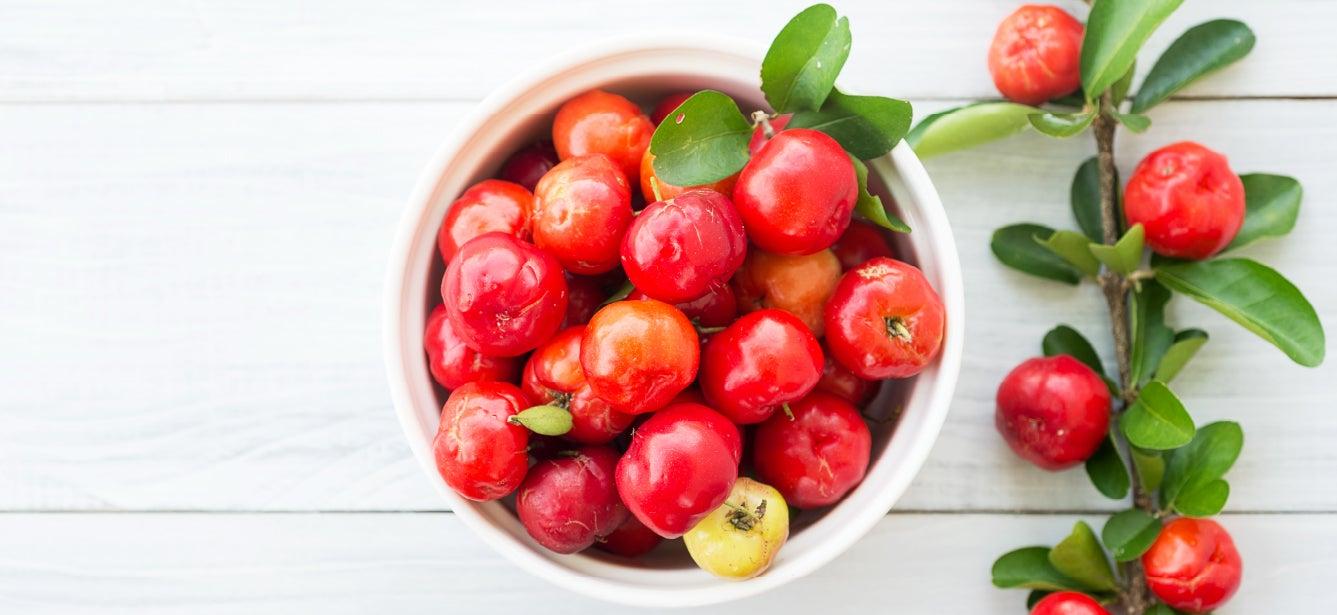
- Acerola cherries: 822 mg per 1/2 cup
- Sweet yellow peppers: 137 mg per 1/2 cup, raw
- Guavas: 126 mg in one fruit
- Blackcurrants: 101 mg per 1/2 cup
- Cantaloupe: 95 mg in 1/4 of a medium-sized fruit
- Red bell peppers: 95 mg per 1/2 cup, raw
- Strawberries: 89 mg per cup (halves)
- Papayas: 87 mg per cup
- Kale: 80 mg per chopped cup, raw
- Oranges: 70 mg in one medium-sized fruit
- Kiwifruit: 64 mg in one medium-sized fruit
- Broccoli: 51 mg per 1/2 cup, cooked
- Brussels sprouts: 49 mg per 1/2 cup, cooked
- Green bell pepper: 45 mg per 1/2 cup, raw
- Thyme: 45 mg per ounce
To make sure you or an older adult you care for is getting plenty of vitamin C, try adding these fruits and veggies to every meal. They can be tossed into salads, stir-frys, cereals, and smoothies—or enjoyed as an anytime, anywhere snack. If you’ve never eaten guavas or kale, now is a great time to try something new!
Get more vitamin C-rich foods into your diet with SNAP
Nearly 8 million older adults (age 60+) receive Supplemental Nutrition Assistance Program (SNAP) benefits.3 This federal anti-hunger program is designed for people who struggle to afford healthy groceries on a regular basis. With monthly assistance from SNAP, older adults can purchase more healthy staple foods that make up a well-balanced diet—including fresh fruits and vegetables.
Mary, aged 63, is a SNAP participant. When she lost her job as a school bus driver, she reached out to her local Benefits Enrollment Center for assistance and was approved for benefits.
SNAP provided me just enough help to get me through the holidays," she told her benefits counselor.
Don’t assume you or an older adult you care for doesn’t qualify for SNAP. It’s worth looking into—and NCOA's BenefitsCheckup.org makes it easy. Just visit the site and enter your ZIP code to get personalized recommendations for food assistance programs like SNAP available in your local area. We’ll even help you start the application process. It's worth seeing if you qualify for SNAP and other benefits that can help you pay for everyday expenses like groceries, utilities, medications, and more.
Visit BenefitsCheckUp to find ways to make food more affordable.
Source
1. Maryam Hamid, et al. A quantitative meta-analysis of vitamin C in the pathophysiology of Alzheimer’s disease. Frontiers in Aging Neuroscience. September 6, 2022. Found on the internet at https://www.frontiersin.org/journals/aging-neuroscience/articles/10.3389/fnagi.2022.970263/full
2. Prevention. Scientists Say This 1 Vitamin May Support Brain Health in Older Adults. June 21, 2026. Found on the internet at https://www.prevention.com/health/memory/a71617482/vitamin-c-brain-aging-study/
3. USDA. Characteristics of Supplemental Nutrition Assistance Program Households: Fiscal Year 2024. August 2026. Found on the internet at https://fna-bwbufwdzbabpezgc.z01.azurefd.us/sites/default/files/resource-files/snap-fy2024householdcharacteristics-report.pdf